Setting up Postman Environment to test the Dataverse API’s – Quick Tip

Hi Folks,

Today in this blog post, I would like to share how we can quickly set up Postman Environment to test out the Dataverse API’s right away. It’s very easy and doesn’t need any Client Id, Client Secret registration in Azure AD for Authorization if you follow these steps as the provided Client id works for all Dataverse environments, so let me take you through.

You just need to have a Dataverse environment that you can connect to and Postman desktop App in your machine(Preferably windows)

  1. Lauch the Postman desktop application
  2. Create the environment by click

3. Enter a name for your environment, for example, Blog Environment as below
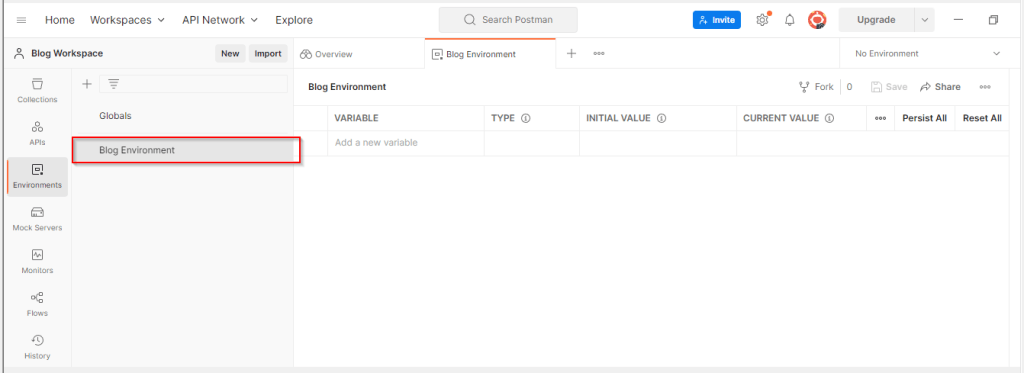
4. Get the Web API end point URL for your environment with few simple steps as below…by going to Developer resources in make.powerapps.com

Then copy the Web API endpoint URL as below…

Next step is to add following key value pairs in Postman for connecting to Dynamics..please make sure you use the same clientid(51f81489-12ee-4a9e-aaae-a2591f45987d), it is the same to connect to any Dataverse environment.

Variable Initial value

urlhttps://<your org name>.api.crm.dynamics.com
clientid51f81489-12ee-4a9e-aaae-a2591f45987d
version9.2
webapiurl{{url}}/api/data/v{{version}}/
callbackhttps://localhost
authurlhttps://login.microsoftonline.com/common/oauth2/authorize?resource={{url}}

Your updated configuration should look something as below in the Postman.

Click on save to save your newly created environment as highlighted below..

Now all you need is to generate access token in order to authenticate with your Dataverse environment to connect using OAuth 2.0

Follow the simple steps below..

Click on newly created environment, click on + symbol besides it as highlighted below

The following pane appears. Select the Authorization tab.
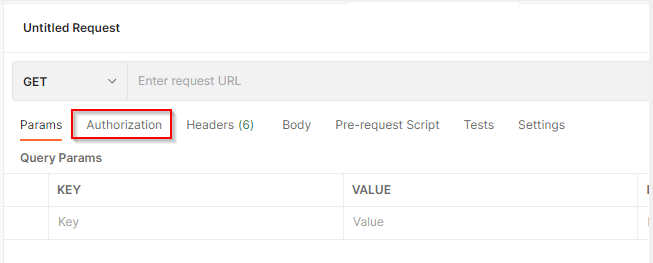
Set the Type to OAuth 2.0 and set Add authorization data to to Request Headers, if you scroll down a bit, you will be able to see Configure New Token option as below, else you wouldn’t.Auth request headers
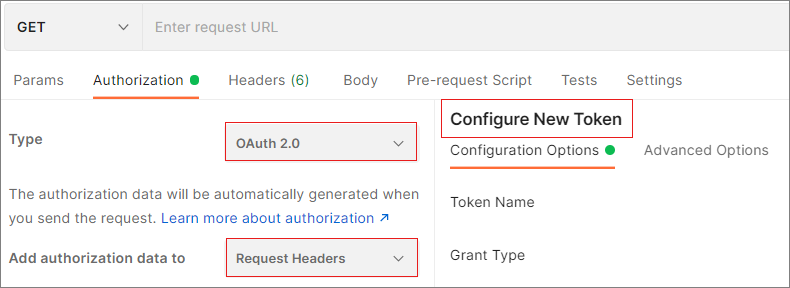
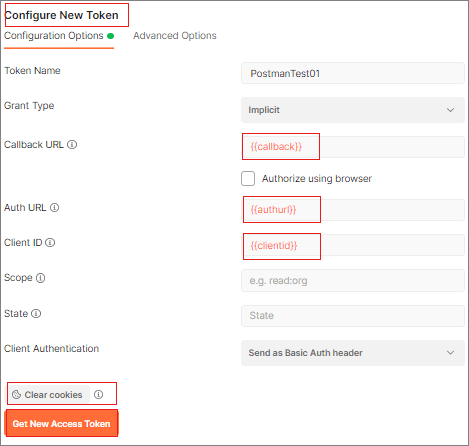
In the Configure New Token pane, set the following values:

NameValueAction
Grant TypeimplicitChoose implicit from the drop-down
Callback URL{{callback}}Copy the value
Auth URL{{authurl}}Copy the value
Client ID{{clientid}}Copy the value

The settings should appear as below

Tip: If you were using the Postman to connect to multiple dataverse instances, make sure you clear your Cookies inorder delete the cookies in Postman.

Click on Get New Access Token button, within a moment, you should see a Azure Active Directory pop up to Authenticate your login from browser.
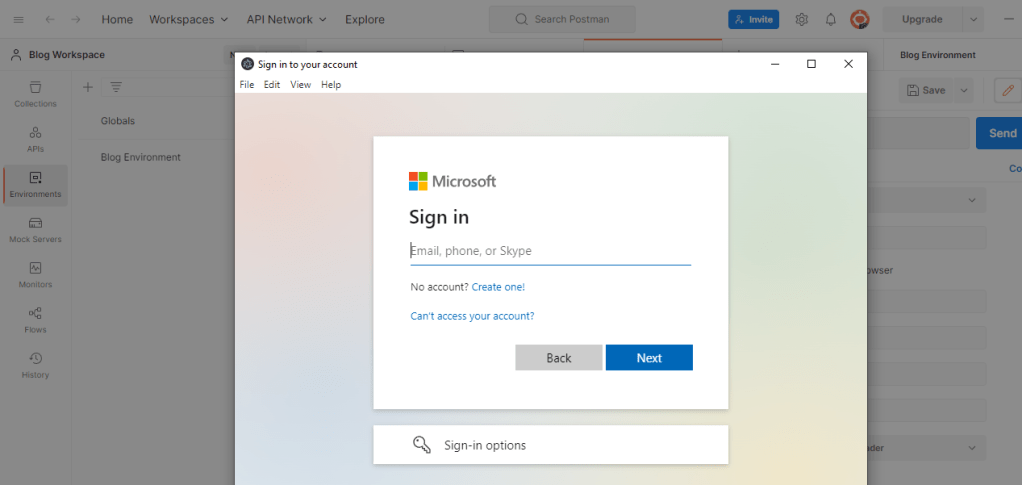
Click Get New Access Token.Once you click Get New Access Token, an Azure Active Directory sign-in dialog box appears. Enter your username and password, and then click Sign In. Once authentication completes, the following dialogue appears and just get the token with few more steps as below.
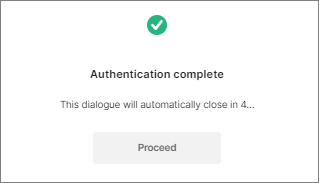
  1. Authentication completes
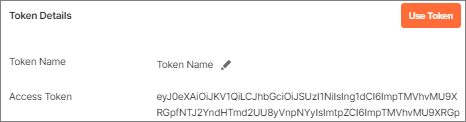
  2. After the authentication dialogue automatically closes in a few seconds, the Manage Access Tokens pane appears. Click Use Token.Access token page
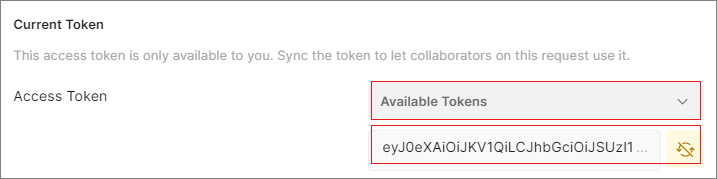
  3. The newly generated token will automatically appear in the text box below the Available Tokens drop-down.Token autopopulate

Test your connection

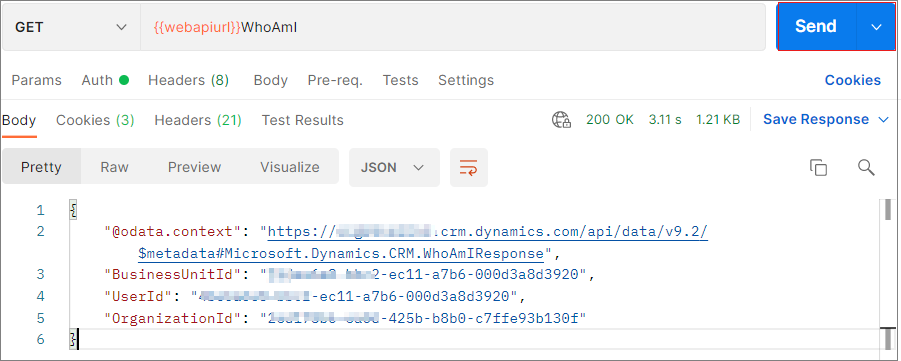
The following shows how to test your connection using WhoAmI:

  1. Select GET as the HTTP method and add {{webapiurl}}WhoAmI in the editing space.Calling WhoAmI endpoint
  2. Click Send to send this request.
  3. If your request is successful, you will see the data returning from the WhoAmI endpoint, like below:Response from WhoAmI

Hope you have found this post useful…when you were working with Dataverse API’s.

Cheers,

PMDY

Run PCF Code Components in browser, deploy to Dataverse easily – Quick Recap

Hi Folks,

In this blog post, I would detail about how you can you work with Code Components, it just takes only few minutes of your valuable time. Now-a -days everyone is moving from traditional HTML Webresources to PCF Code components. I used to be a pro-HTML Developer where I always want to always know how my code is running in browser. Usually every developer wants to try out how their code is working in local before proceeding further. So here we will see how you can run your component locally…and once tested we can deploy them to Dataverse.

So without any further due, let’s get into it…

Firstly you can download these code components from this link, now let’s see how we can use these components in our Apps. Follow with me with few simple steps as below..

1.Install Microsoft Power Platform CLI.

2. Navigate to the folder and extract the zip file.

3. Open Visual Studio Code and navigate to that folder location(Many people suggest to use Visual Studio Developer Command Prompt, but believe me this is a lot easier)

The component’s run time can be found by navigating to the respective folder of the component..

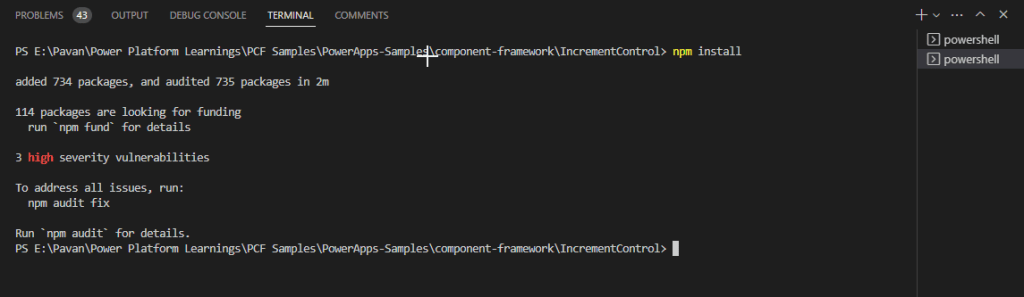
4. Open a new Terminal and execute npm install command(I am assuming that you have node installed in your machine for working with this), this will add all the dependencies to the component folder, it should look something like below..

5. As this control is a prebuilt one, no need to execute build command.

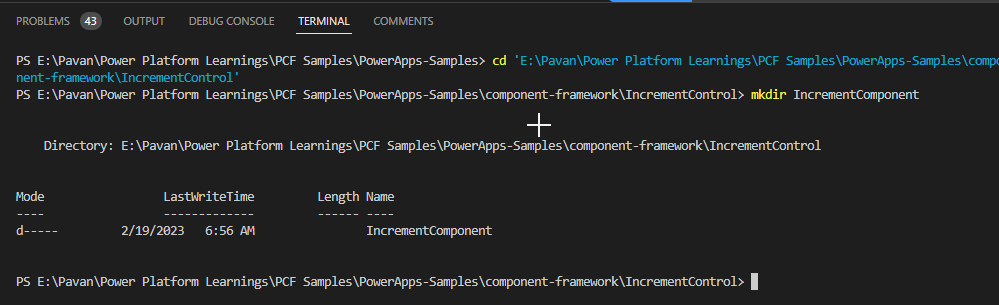
6.Create a new folder using the command mkdir <folder name> inside the sample component folder and navigate into the folder using the command cd <folder name>, something like below…here I have named the component folder as IncrementComponent.

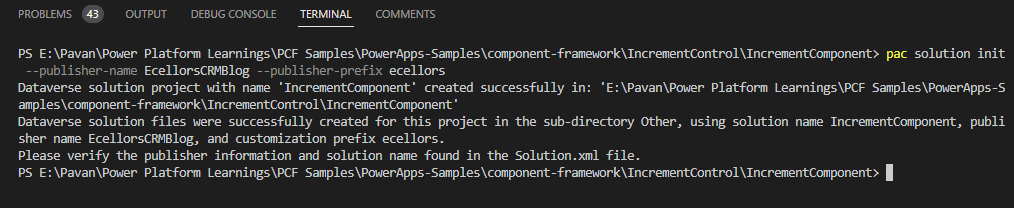
7. Now we will proceed with next steps of creating a new solution project inside the same folder using the following command:pac solution init --publisher-name <Name of the publisher> --publisher-prefix <Publisher prefix>

It should look as below

You should see solution folder components being updated as below

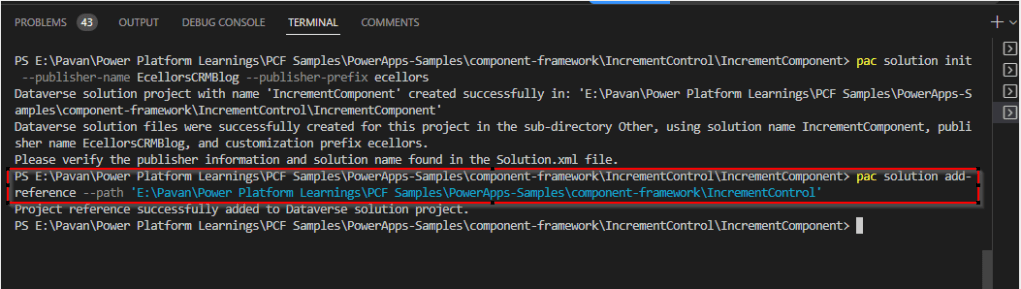
8.After the new solution project is created, refer to the location where the sample component is located. You can add the reference using the following command:pac solution add-reference --path <Path to the root of the sample component>

It should look as below

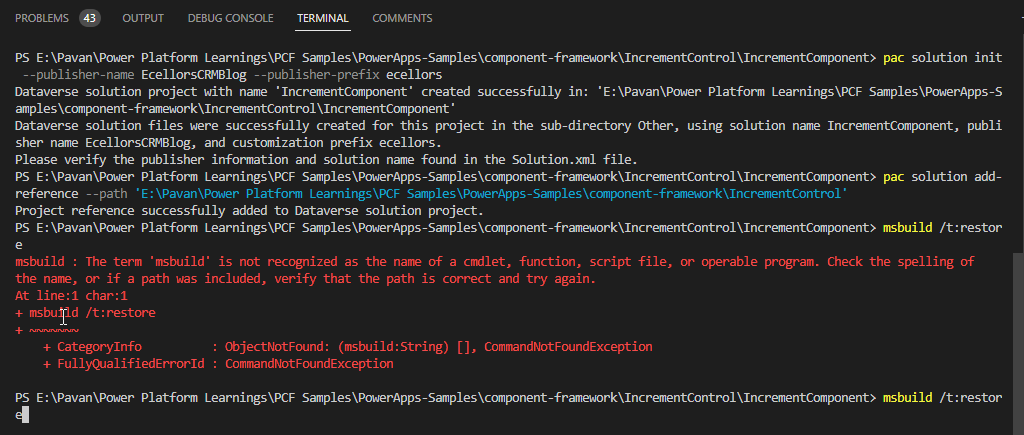
10. Now you have to generate a zip file from your solution project by building the project using the following command:msbuild /t:restore

Oops, you get an error as below…in order to resolve

If you just try to reverse engineer, the above error says that ‘msbuild’ is not recognized and instructs to check the path variable.

Inorder to fix this, I have followed blog and with minor tweaks, able to resolve the issue, i.e. if you have 64 bit Visual Studio 2022 version, you have to use the below path for environment variable instead of the one specified in the above blog.

Path: %ProgramFiles%\Microsoft Visual Studio\2022\Community\MSBuild\Current\Bin

Then you should be able to overcome the above error…and you should see a screen something same as below

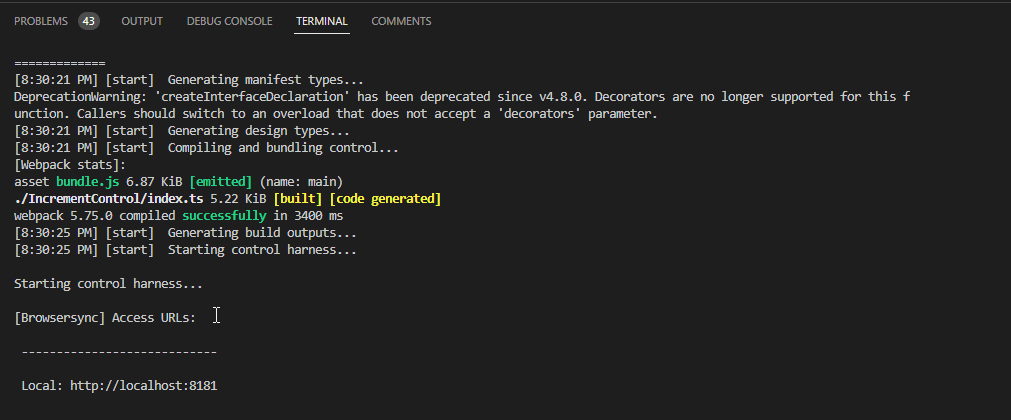
The next step is to run your Code component in local test harness and see how if behaves before actually pushing to dataverse…so use the following command npm start while making sure terminal points to the exact folder location…

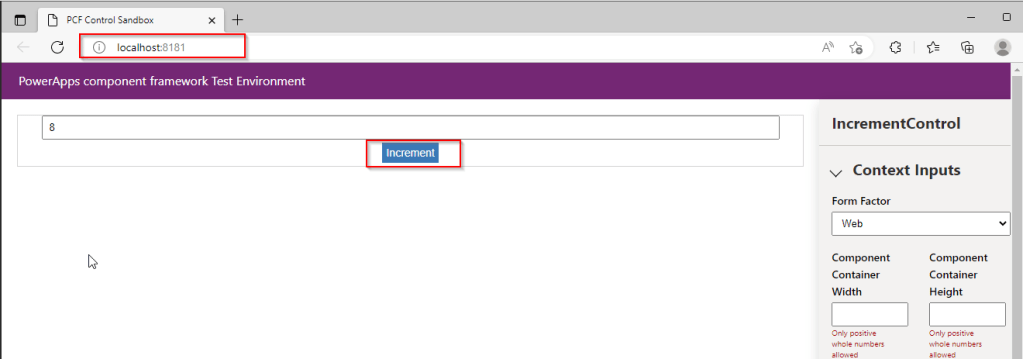
Now the code has been run in your browser, you just need to verify by going to the mentioned URL in the local machine.

http://localhost:8181

There it was, you can see your component running in your local browser window….

These code components can be used in Canvas Apps, Model Driven Apps, Power Portals and adds much more flexibility than customizing with HTML Webresources.

Now you can use msbuild /t:restore command to create a zip file, we are good to use the PCF control by importing it to CDS.

Limitations:

  1. Microsoft Dataverse dependent APIs, including WebAPI, are not available for Power Apps canvas applications yet.
  2. Code components should bundle all the code including external library content into the primary code bundle. To see an example of how the Power Apps command line interface can help with bundling your external library content into a component-specific bundle, see Angular flip component example. 
  3. Code components should not use the HTML web storage objects, like window.localStorage and window.sessionStorage, to store data. Data stored locally on the user’s browser or mobile client is not secure and not guaranteed to be available reliably.

You can learn more about PCF Here…hope this helps….

Additional Resources to try out Code Components

Cheers,

PMDY
Automation Kit for Power Platform – Quick Review

Hi Folks,

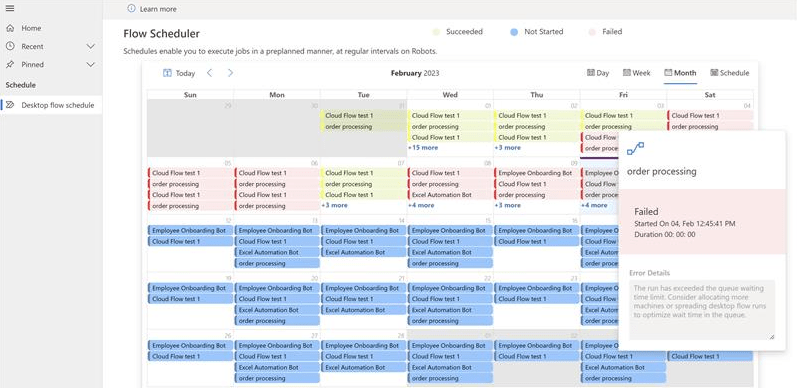
Have you ever thought of a tool where you can review all your scheduled flows at once in one dashboard, then I am glad to introduce you the latest capability from Microsoft which is none other than Automation Kit.

If we get into detail, the Automation Kit is set of tools that accelerates the use and support of Power Automate for desktop for automation projects. HEAT is guidance that’s designed to help you deploy the automation platform and manage the entire lifecycle of an automation project.

The key features of this Automation Tool Kit:

  1. The ability to view the schedule of Recurring cloud flows
  2. View schedule by Day, Week, Month and Schedule view
  3. View the status of Scheduled flows (Success, Failure or Scheduled)
  4. View the duration of a Cloud Flow run
  5. View the details any any errors

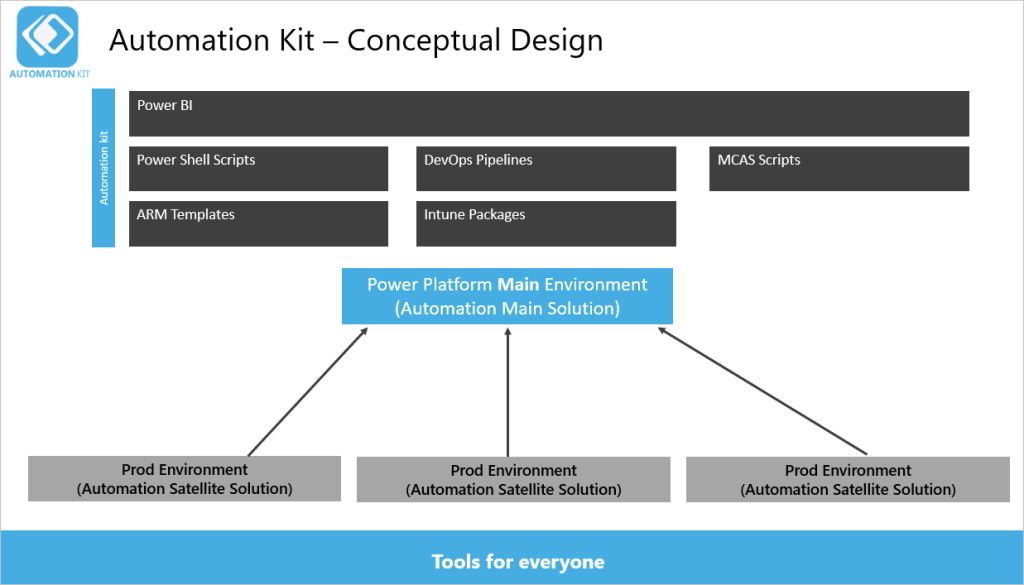
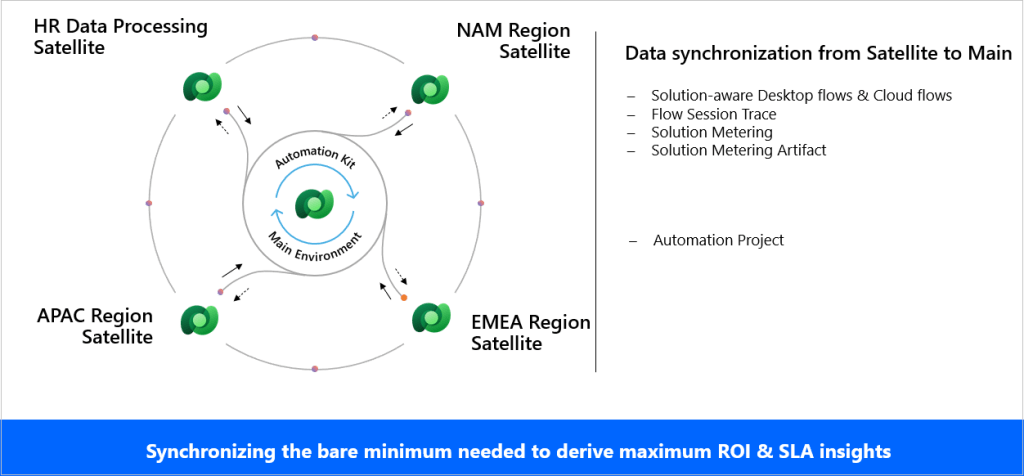
The key element of the solution is the Power Platform main environment.

There are usually several satellite production environments that run your automation projects. Depending on your environment strategy, these could also be development or test environments.

Between these environments there is a near-real-time synchronization process that includes cloud or desktop flow telemetry, machine and machine group usage, and audit logs. The Power BI dashboard for the Automation Kit displays this information.

Automation Kit components

The Automation Kit supports an automation CoE with the following components:

  1. Automation Project: This project is a canvas app that supports requesting automation projects and submitting them for approval.
  2. Automation Center: This is a model-driven app that organizations can use to create and maintain automation assets, such as master data records, map resources and environments, and assign roles to employees.
  3. Automation Solution Manager: This is a canvas app in satellite environments that enables the metering of solutions and their artifacts.
  4. Cloud flows: These cloud flows use Dataverse tables to sync data from satellite environments, in near real time, to the main environment.
  5. A Power BI dashboard that provides insights and monitors your automation assets.

These two solutions contain the components in the kit.

  • The main solution, which you deploy to the main environment.
  • The satellite solution, which you deploy in each satellite environment.

Limitations:

  1. Only Power Automate Desktop and Power Automate solutions contained within a solution are displayed
  2. At least one Power Automate Desktop has been registered and executed

Reference:

Automation Kit for Power Automate

Automation adoption best practices overview

Learn More

I am glad to help you know about Power Platform Latest Capability…

Cheers,

PMDY
Track the Power Platform blog feed…Insight

Hi Folks,

Hope you were having a fantastic year….

By the way, in this blog post, I would like to give a bit of detail how to record new posts in any of the tech blogs mainly for your favorite power platform ones coming from Power Platform Tech Guru’s directly in your team’s channel without navigating away. This helps you to upskill or learn a new topic fast. Pshhh..at least for some.

All you need is a teams license and a RSS enabled blog address to get the feed…all WordPress blogs are RSS Enabled by default.

Ok, let’s get started….

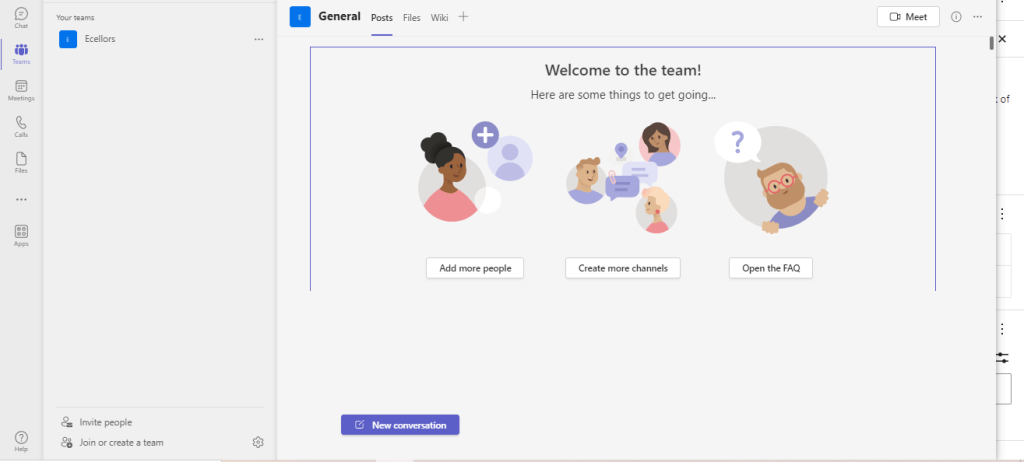
Open Microsoft Teams

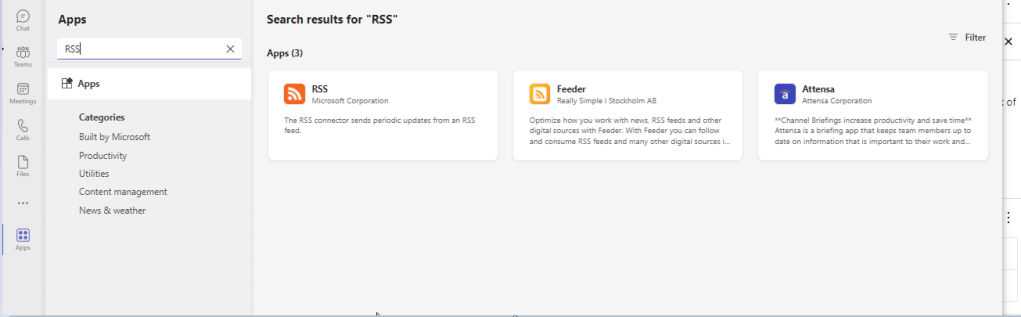
In the left pane, select Apps icon and search for RSS

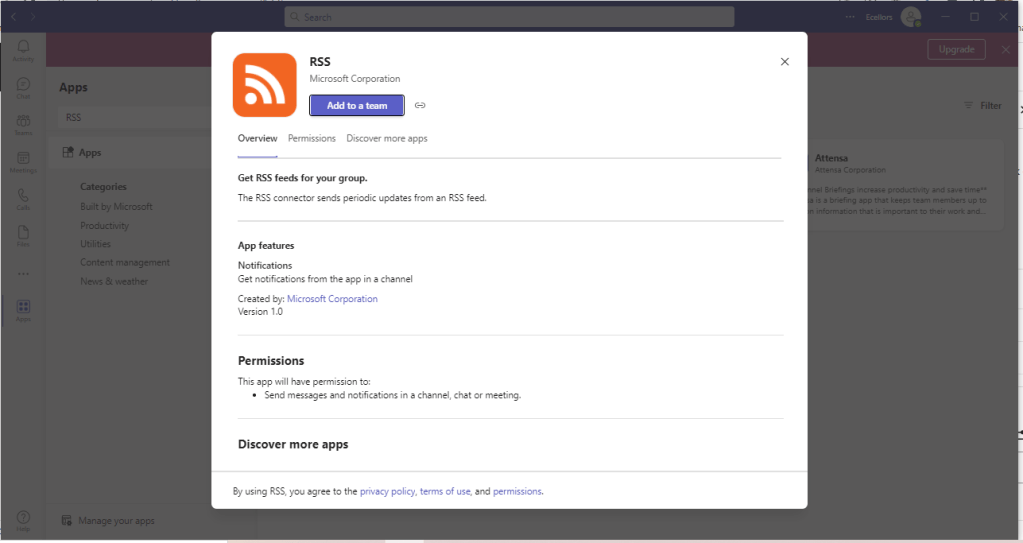
Click on RSS in the search and choose Add to a team as below.

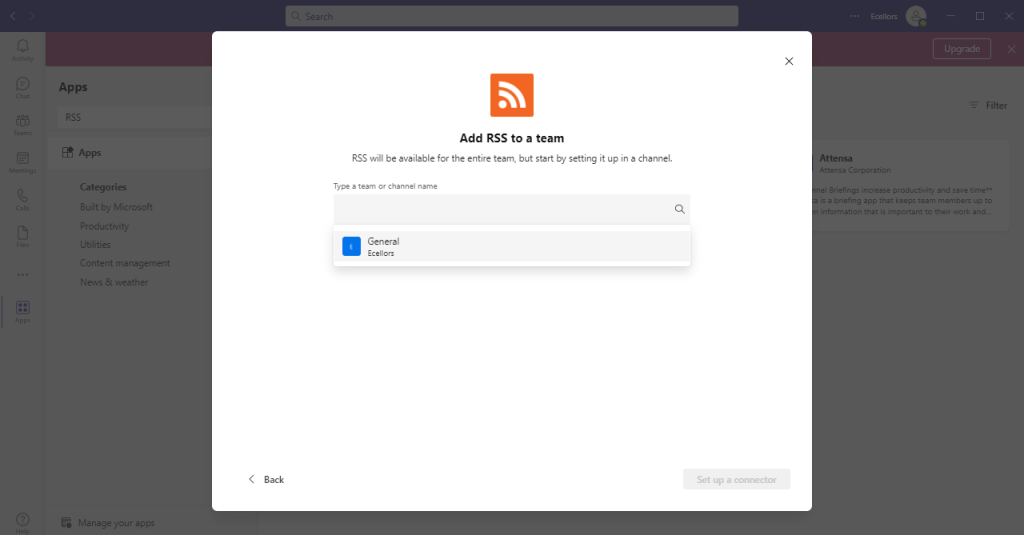
Next step is to select the channel..

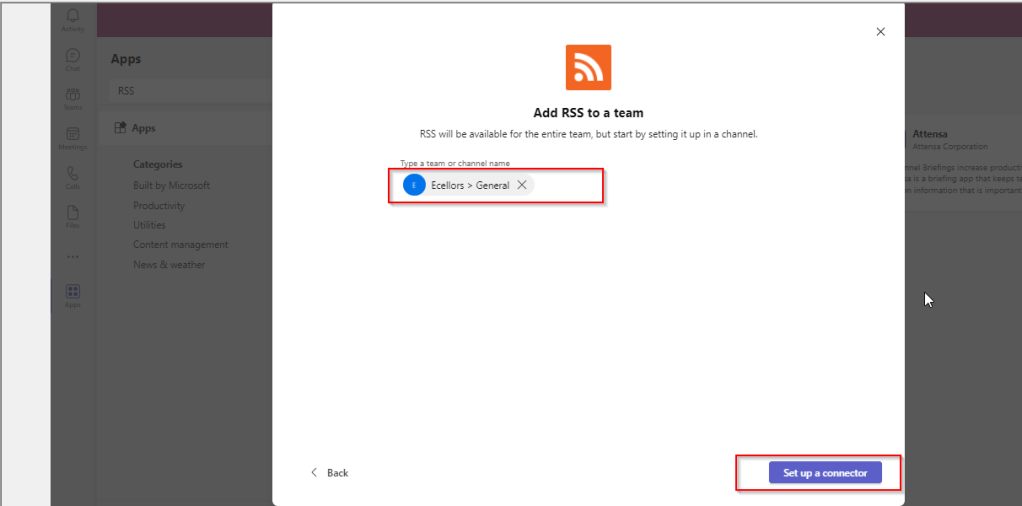
Then choose Set up a connector as below

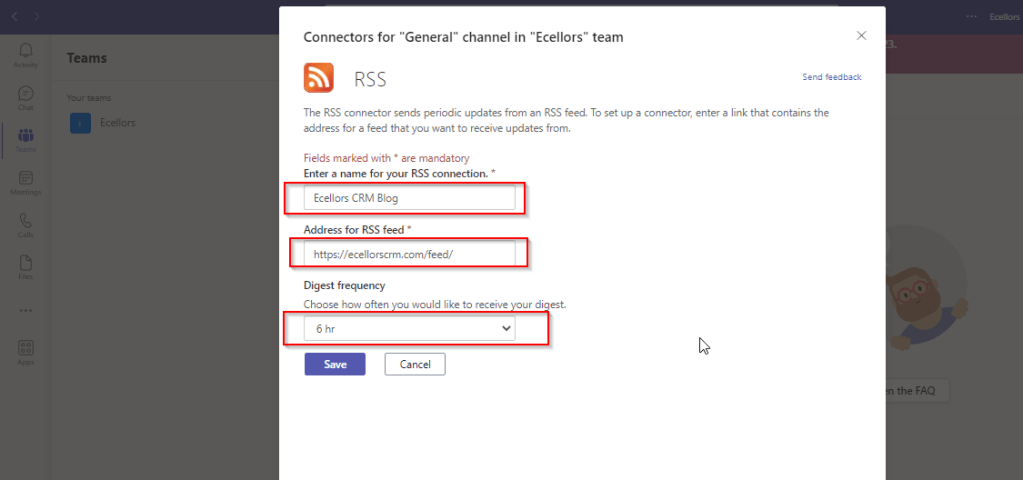
Key in the details of the feed…here for sake of simplicity, I am giving this blog feed…so see snap below, same time you can set the frequency and you get updates from your feed.

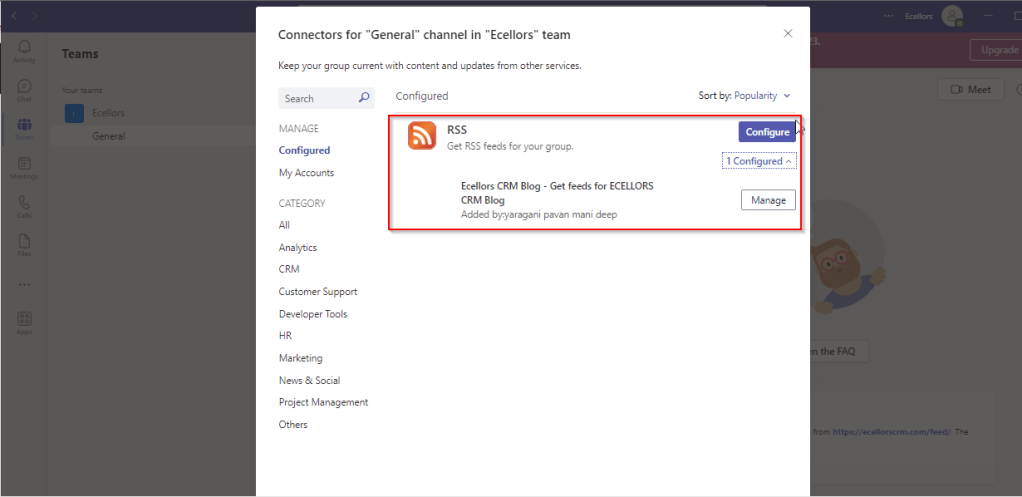
Next step is to just save the feed details….and once saved you can something like below…

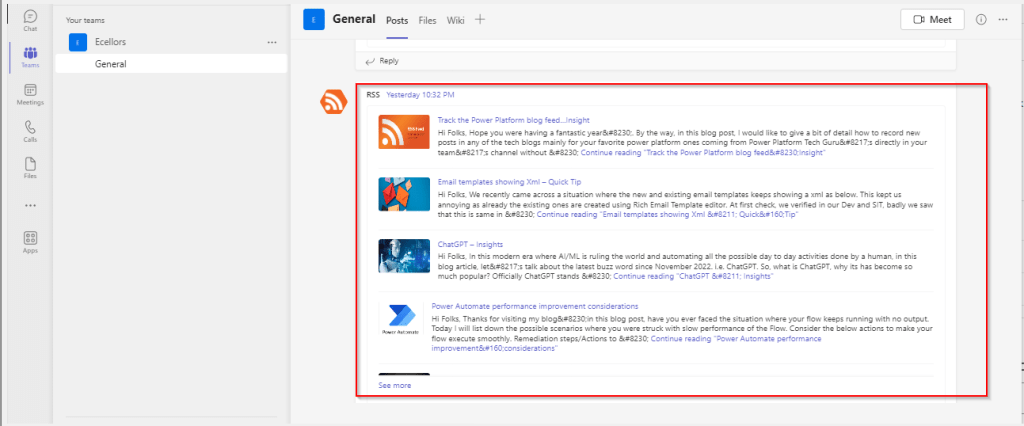
That’s it, you will be notified each time a blog is published directly to your teams channel and all the feed for the blog will be available right in in Team’s channel as below. How great is it….

This is not a power platform related blog post actually but this tip can greatly enhance your learning in your workplace without getting distracted.

Hope this helps…

Cheers,

PMDY

Email templates showing Xml – Quick Tip

Hi Folks,

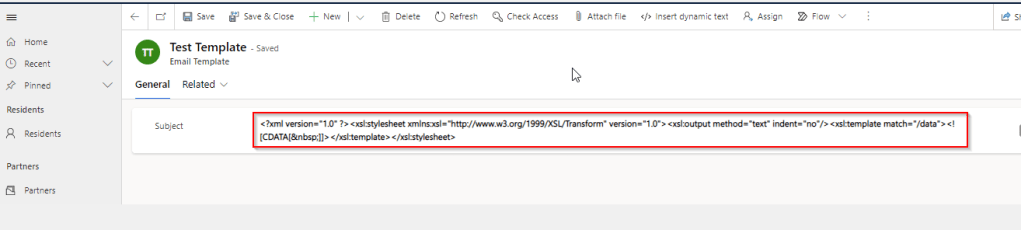
We recently came across a situation where the new and existing email templates keeps showing a xml as below.

This kept us annoying as already the existing ones are created using Rich Email Template editor. At first check, we verified in our Dev and SIT, badly we saw that this is same in both the environments. We double confirmed that no changes were made to the OOB Email template form, so we doubted that there was something wrong with our environment. Luckily we have one more environment where we able to see the email templates working fine. Then we confirmed that there is related to email template form related issue. Also when we tried to open the existing email templates in new designer from https://make.powerapps.com, they opened without any issue.

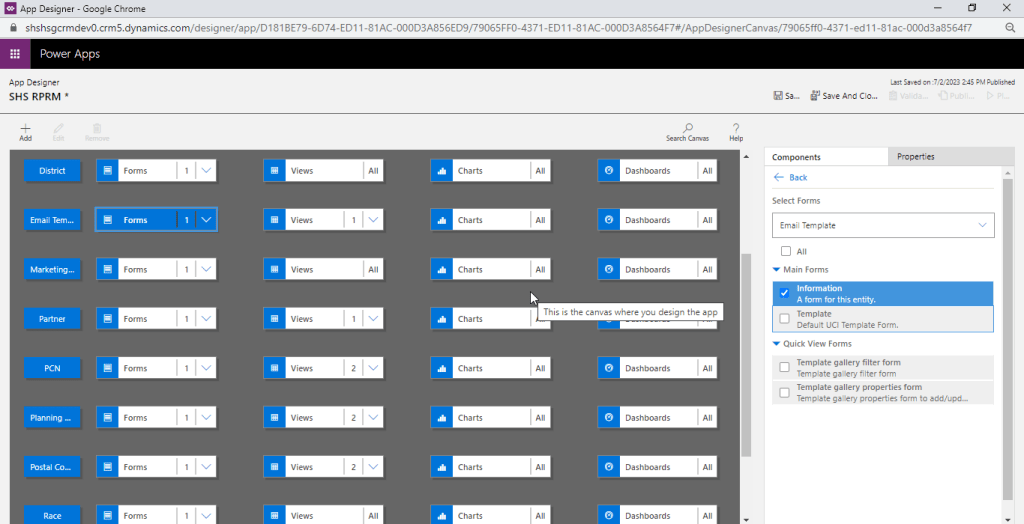
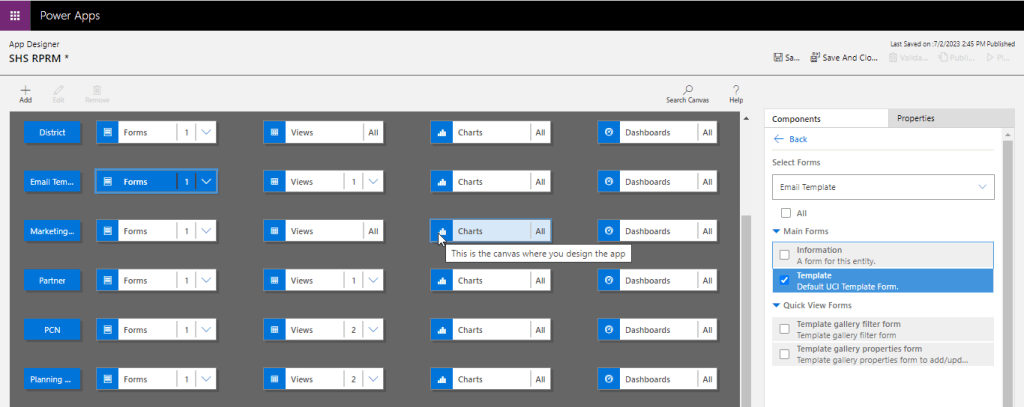
Fix: Open your model driven app in your custom solution created and launch it by double clicking on it. Just verify it the forms selected for Email Template entity….

The fix is quite obvious and there you are..inorder for email template to show properly, you should select Default UCI Template type form.

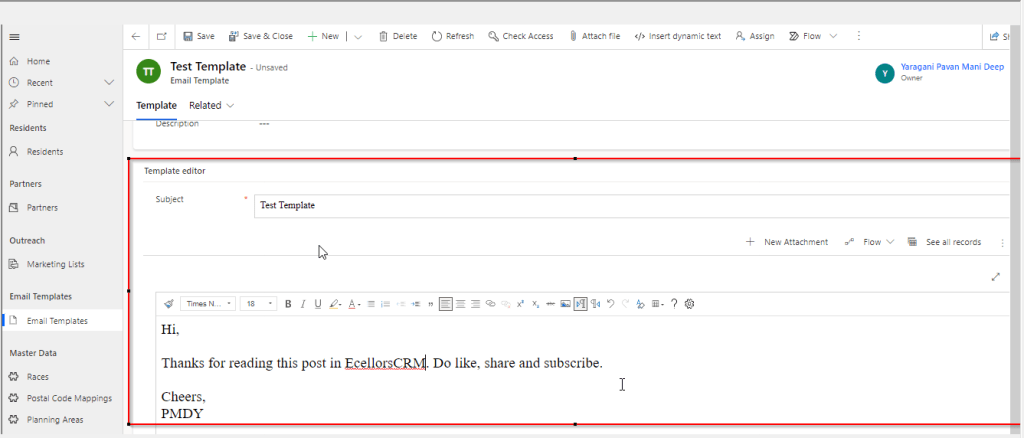
Voila, its back as below.

Hope this useful…

Cheers,

PMDY